House of Vinterberg
Skoubogade 2, Copenhagen K

Showroom. Where it's made.

Showroom

Construction and textiles.

Every suit begins with one principle: nature knows best.

We work only with natural fibres and build jackets following classical tailoring principles. On this page we explain what that means. Which materials we choose, why we avoid polyester, and how a jacket keeps its shape year after year.

01

Natural fibres

We work only with wool, Virgin Wool and cashmere. Nature has shaped these fibres over millions of years. That sets the best conditions for a piece of clothing that lasts.

Natural fibres breathe. They follow the body's movement without stretching out of shape. They regulate temperature, resist odour and age with grace rather than becoming faded and limp.

Wool
Spring, autumn, winter
Virgin Wool
Year-round
Cashmere
Winter
FibrePropertiesSeason
WoolBreathable, form-stable, durable. Naturally resists odour and creasing.Spring, autumn, winter
Virgin WoolUntouched fibres from the first shearing. Fine and soft, releases heat, doesn't trap moisture.Year-round
CashmereExclusive softness. Low weight, high warmth insulation.Winter, coats, blends
We never blend natural fibres with synthetics. Every material we source has a traceable origin and is labelled with supplier and batch.
02

Why no polyester

Polyester is marketed as easy to care for and inexpensive. Both are true. That's also why it dominates mass-market suits.

But there's a price you don't see on the tag. Polyester doesn't breathe. It traps heat close to the body, and traps odour with it. The material loses its sheen and structure after a few washes. The seams start to gleam. The lapels start to curl.

A polyester jacket typically looks fine for two years. A jacket in worsted wool looks fine for ten.

What about blends?

Even a 5-10% polyester blend changes the material's character. So we don't make blends. Our label reads either 100% natural fibres or a combination of several natural fibres.
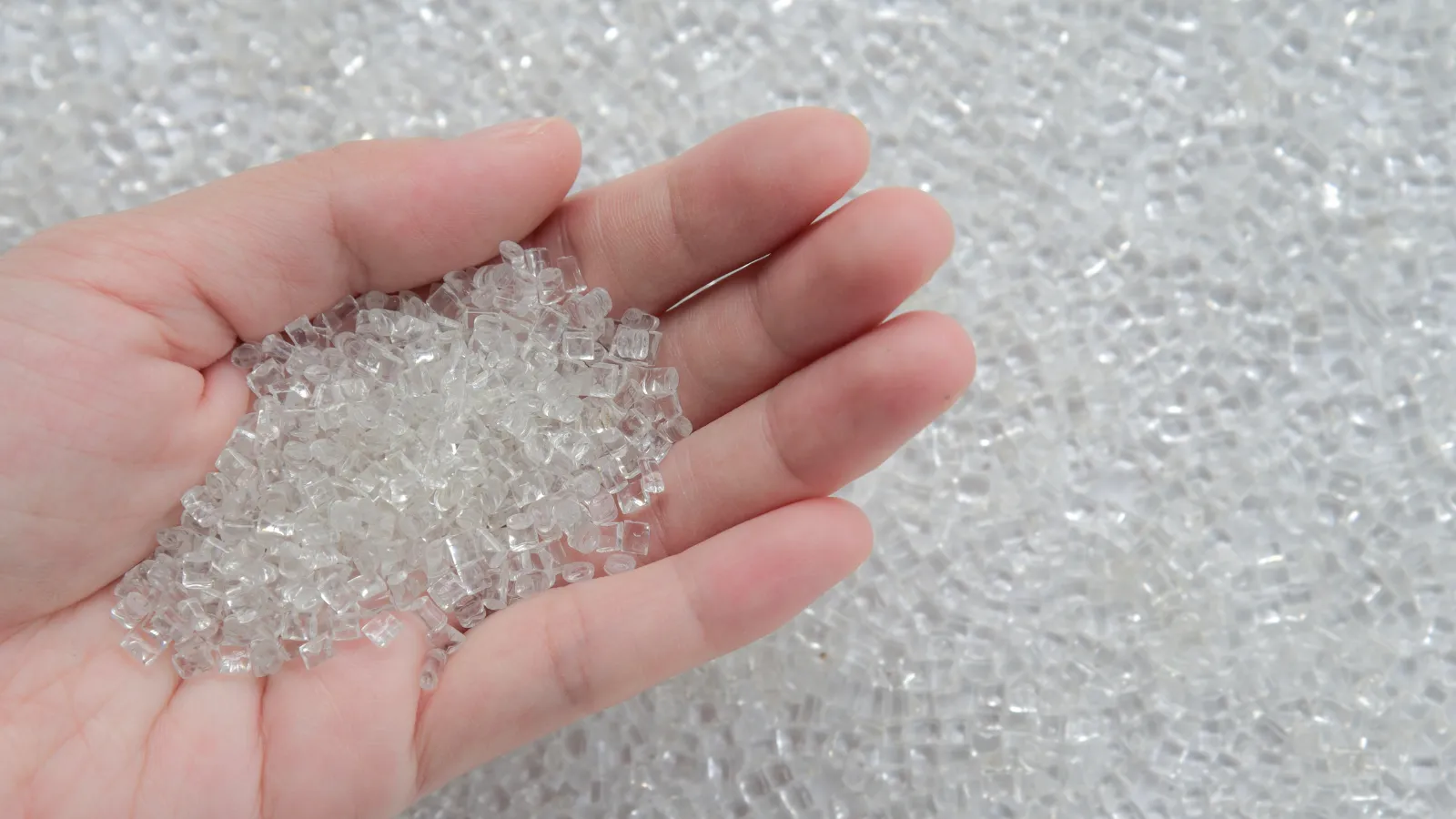
Polyester fibres under microscope. Smooth, uniform threads that don't breathe.
03

Construction types

What happens between the lining and the outer fabric. It determines how the jacket sits, and how long it holds its shape.

The oldest method

Full Canvas. Hand-made

Multiple layers of canvas from shoulder to edge, joined by hand with pad stitches. Buttonholes, collar attachment and lined armholes are also done by hand. The canvas moulds to the wearer year by year. The jacket you pass on.

Hand and machine work

Full Canvas

Same principle, but assembled with both hand and machine work. Multiple layers of canvas run from shoulder to edge, giving the jacket its shape and drape. Over time the canvas adapts to the body.

Our standard

Half Canvas

Canvas from shoulder through chest and lapel to the top button. The rest of the front panel uses a thinner interlining. A good balance of structure, weight and price. Our standard construction on made-to-measure.

Light, soft drape

Unstructured

The chest piece is removed, and only a small insert remains in the shoulder area. No shoulder padding. A light, soft jacket that follows the body. Well-suited to linen, summer wool and relaxed occasions.

Fused jackets (where the interlining is glued rather than sewn) we don't use. The glue breaks down over time and produces the characteristic bubbles on the lapels. It's the main reason a cheap jacket looks cheap after two years.
04

Comparison

How to choose. As a rule of thumb: the more you wear the jacket, and the longer you expect to have it, the more it makes sense to step up in construction.

ConstructionCharacterLifespanUse
Full Canvas (hand-made)Most hand-work. The canvas moulds to the wearer over time.20+ yearsMade-to-measure, premium formal suits
Full CanvasMultiple canvas layers from shoulder to edge. Gradual adaptation.15-20 yearsMade-to-measure, formal
Half CanvasCanvas from shoulder through chest and lapel to the top button.10-15 yearsMade-to-measure, versatile
UnstructuredWithout chest piece or shoulder padding. Soft drape, low weight.8-12 yearsCasual and summer
Lifespan depends on how often and how hard the jacket is worn, and on subsequent care. With good care (airing after use, brushing only as needed, steaming rather than dry cleaning) even an unstructured piece outlasts the figures above.
05

Fabric qualities

The Super grading tells you something about the fineness of the thread. Higher numbers aren't automatically better. It's a trade-off between drape and durability.

GradingCharacter and use
Super 100s - 120sStandard choice. Durable, form-stable. Everyday wardrobe.
Super 130s - 150sFiner thread. Softer drape. Best for office and events.
Super 160s+Very fine. Beautiful surface, but more delicate wear. For special occasions.

Our suppliers

We source materials from Italian and English mills that have supplied the tailoring trade for generations.

Dugdale Bros & Co
England · since 1896
Lanificio Rogna
Italy · since 1962
Ermenegildo Zegna
Italy · since 1910
We advise on choice of material in relation to use. A linen suit in Super 150s doesn't exist. A wedding tuxedo in Super 100s does. We always tell you if a choice doesn't suit what you have in mind.
Visit the showroom

Feel the difference in your hand.

It's one thing to read about worsted wool and Full Canvas. It's another to hold the material.